
Why Piping Engineering Has Become a Top Career Choice for Engineering Graduates
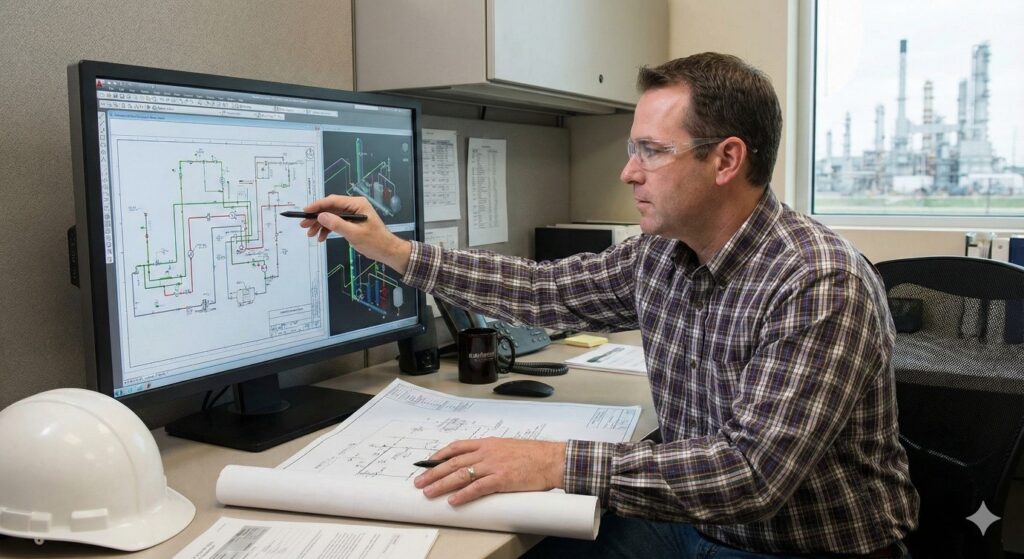
Engineering students today are constantly searching for one specialization that can turn academic knowledge into a
high-paying, globally valued career. Among the many options available, the piping engineering course has emerged as
one of the most trusted and effective paths.
What makes it so popular?
Piping engineering provides a strong technical foundation, real industry exposure, and job-ready skills. With this
training, students become employable in rapidly growing sectors such as oil and gas, petrochemicals, energy, EPC
companies, and infrastructure.
The reason is simple:
No industry can grow unless its pipelines, systems, and plants operate safely and efficiently.
Piping engineers are the professionals who make sure this happens.
This field perfectly blends design, safety, problem-solving, creativity, and precise engineering. As a result,
piping engineers remain in demand regardless of economic ups and downs. That’s why graduates from mechanical
engineering see this course as a smart step toward a specialized and successful future.
Why Piping Engineering Matters Today
In today’s industries, large plants run through networks of pipes. These pipes carry water, steam, oil, gas,
chemicals, and many other materials. They spread across big refineries, power plants, factories, and chemical
plants.
Designing these systems is not just drawing lines on paper. It requires knowledge of:
- Engineering rules and standards
- How different materials behave
- How much pressure or stress the pipes can handle
- How to plan the layout
- How to keep everything safe
- How piping systems are designed
- How EPC companies work
- What documents and drawings are used
- How real project work happens
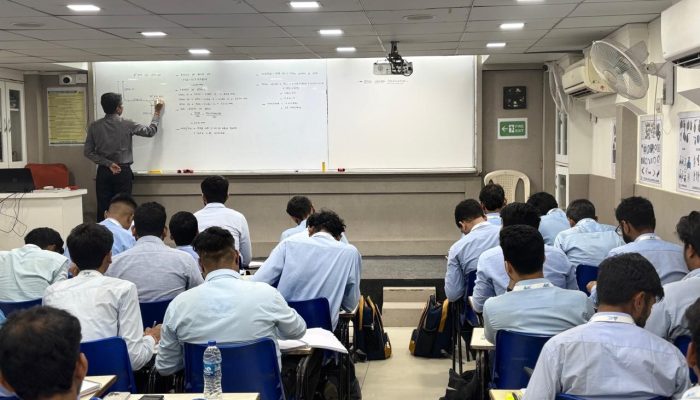
Career Opportunities After Completing Piping Engineering Training
Most industries depend on safe and well-planned piping systems. Because of this, piping engineering opens up many career opportunities in design, analysis, quality control, and project execution. After completing the course, you can work in:- EPC companies (Engineering, Procurement, Construction)
- Oil and gas refineries
- Petrochemical plants
- Energy and power plants
- Infrastructure and water treatment companies
- Manufacturing industries
- Consulting and design firms
- Piping Design Engineer
- Layout Engineer
- Stress Engineer (with extra specialization)
- Material Engineer
- QA/QC Engineer
- Piping Supervisor at site
How Long Does the Training Usually Last?
The piping engineering course is popular because the duration is short, practical, and easy to manage.- Full-time batches usually take 3 to 4 months.
- Weekend batches take longer because classes are only on weekends, so the schedule is more relaxed.
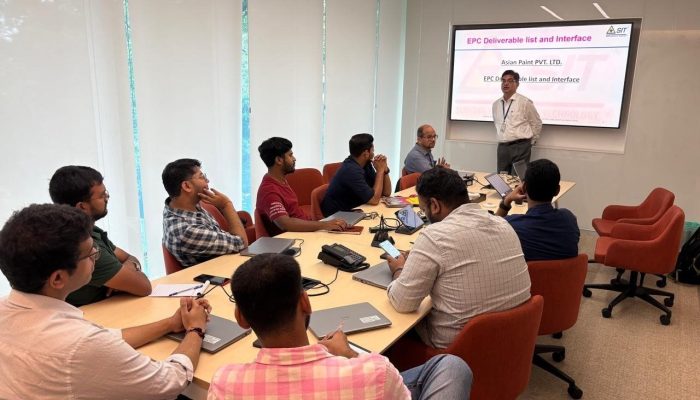
Software Exposure in Piping Engineering
Modern industries use digital design tools to make work faster and more accurate. In a piping engineering course, students are usually trained in popular software such as:- AutoCAD – for 2D drawings
- PDMS / E3D – for 3D plant modelling
- SP3D – another widely used 3D modelling software
- Caesar II – for pipe stress analysis (if included in the course)
- How real industrial plants are designed digitally
- How pipelines connect to equipment and structures
- How to spot problems or clashes before construction begins
Placement Support and Industry Links
Good training institutes maintain strong relationships with companies that regularly hire piping engineers. Since industries need people who understand both design and real project work, EPC companies and other organizations often look for trained piping professionals. Most institutes offer placement support that includes:- Mock interviews
- Resume building help
- Interaction with hiring partners
- Soft skills training
- Guidance from industry experts


