
Ultimate Process Design Course: From Fundamentals to Industry Mastery
Enquiry Now
Piping engineering is one of the most crucial disciplines in industrial design, and also plant engineering. It really is all about the planning, design, setup, and ongoing maintenance of piping systems that move fluids , gases, steam, and chemicals… safely, and efficiently. You can see it everywhere like in oil refineries and power plants but also in pharmaceutical facilities and water treatment systems, so yeah the whole piping network becomes the backbone of modern industry.
And as industrial technologies are changing all the time, the need for skilled people who truly understand piping systems keeps going up. Students , plus working professionals who want to grow their knowledge in industrial engineering can get a lot from training programs. One example would be a process design engineering course, which tends to give solid insights into process systems, equipment design and plant engineering basics.
Understanding Piping Engineering
Piping engineering is, honestly, way more than just linking pipes together. It takes careful planning , detailed calculations and sticking to industry standards so the transport of fluids stays safe even when temperatures and pressures swing around.
The real reach of piping engineering usually includes system layouts, material selection, stress analysis, flow calculations, pressure management, and maintenance planning. Engineers have to juggle technical concerns as well as operational realities, to make systems that are efficient, reliable, and cost conscious.
When piping systems are designed well, industries can raise productivity while still staying aligned with safety rules and environmental expectations.
What Is Piping Design?
Piping design is the activity of creating layouts and more detailed engineering drawings, showing how pipes and their linked components will work inside a facility.
First, the design process starts with project requirements and then choosing the right materials and dimensions. After that, engineers map the routing of the pipes and check pressure losses, temperature changes, and the safety needs tied to the scenario.
The final aim is kind of simple, smooth fluid movement with lower energy use, plus operational costs that don’t spiral. Good designs also make maintenance easier and support stronger overall plant performance.
Core Concepts in Piping Engineering
If you want piping systems to work reliably, there are several engineering principles that shape how they perform, and whether they hold up over time.
Flow Dynamics
Flow dynamics is about how liquids and gases behave while they travel inside pipes. Engineers look at things like velocity, pressure losses, and friction factors, then they adjust the system so efficiency stays high.
When fluid behavior is well understood, engineers can build systems that hold the needed flow rate while also reducing energy drain.
Pressure Management
Keeping the pressure right is essential for safe operations. Too much pressure can damage equipment and can cause hazardous conditions to form.
Engineers calculate operating pressures carefully and choose components that can handle shifting process conditions, instead of just assuming one static situation.
Temperature Control
Industrial systems sometimes run at extreme temperatures. Thermal expansion , and contraction can introduce serious stress on the piping system.
Using appropriate insulation and managing expansion properly helps protect system integrity and reduces the chance of failure during temperature swings.
Major Components of Piping Systems
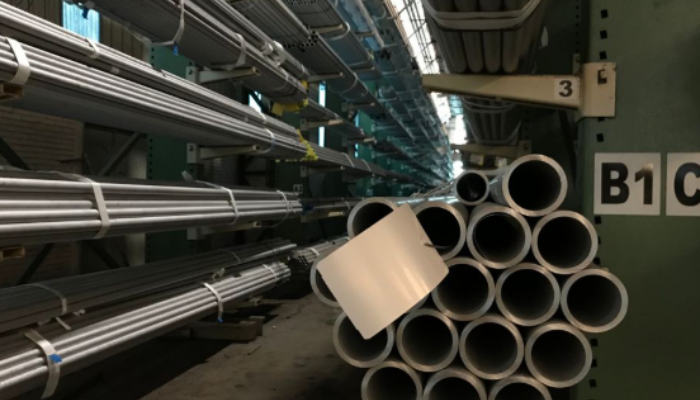
Piping systems are built from multiple linked components, and together they move fluids safely across an entire facility. Pipes are the main pathway for fluid transport. They come in different sizes and material types based on what the process actually requires.
Fittings like elbows, tees, and reducers allow changes in direction and in pipe diameter, while still preserving continuity through the system. Flanges give detachable connections, which makes maintenance and inspection less of a headache. Valves regulate flow, and they can isolate sections of the system when it’s necessary.
Pipe supports matter a lot too. They limit excessive movement and protect the system from mechanical stresses that can develop over time. All these parts working together create an integrated network that supports day-to-day industrial activity.
Materials Used in Piping Engineering
Choosing materials is among the most important decisions in piping design. Different situations need materials that can survive specific temperatures, pressures, and environmental exposure.
Common metallic options include carbon steel, stainless steel, copper, and aluminum, because they bring strength plus durability. Non-metallic options like PVC, CPVC, and HDPE provide strong corrosion resistance, so they’re often used in water treatment and chemical related applications.
Composite materials combine the benefits of multiple materials and are increasingly used in modern industrial systems, mainly due to their lighter weight and corrosion resistance. Picking the correct material improves reliability, and it also extends the service life of the entire piping network.
Importance of Piping Drafting
Piping drafting is a key engineering activity because it turns rough ideas into detailed drawings that guide fabrication and installation.
These drawings supply the accurate dimensions and specifications needed during construction. Without proper drafting, errors and delays can show up, and then project schedules and costs usually take the hit.
Modern engineering practice leans heavily on computer-aided design tools, so the output is highly detailed and accurate. With advanced tools, engineers can also visualize systems in three dimensions. That reduces coordination problems, and helps prevent design conflicts before construction starts.
Piping Layouts and Engineering Drawings
Engineering drawings are the way design information is communicated to the people who build, check, and operate the system. Piping and Instrumentation Diagrams, often called P&IDs, provide detailed depictions of process systems and instrumentation. They help engineers see equipment connections and follow process flows, more clearly than text alone usually would.
Conclusion
Piping engineering, kind of plays a critical part in backing up industrial infrastructure and making sure fluids get transported safely across different sectors. If you really try to understand the ideas behind it, like flow dynamics, how pressure is managed, material picking, and stress analysis, you can design systems that don’t just “work”, but also stay reliable over time.
And as industries keep moving toward more advanced technologies, plus those sustainability initiatives , the need for professionals who know piping systems is only going to keep rising. When engineers build a solid base in these principles, they are better able to help deliver safer operations, more efficient processes, and industrial work that feels ready for what comes next.
Frequently Asked Questions
What is piping engineering?
Piping engineering is about the design, study, placement, and ongoing maintenance of systems used for moving fluids and gases inside industrial sites.
Why is stress analysis important in piping systems?
Stress analysis helps protect structural integrity, so failures don’t happen due to pressure, temperature swings, or external forces.
Which materials are commonly used in piping systems?
Carbon steel, stainless steel, copper, aluminum, PVC , CPVC , HDPE, and composite materials tend to be used. The exact choice usually depends on the specific application needs.
What is the purpose of P&ID drawings?
Piping and Instrumentation Diagrams basically show the equipment links, the process flow, and the instrumentation details inside industrial systems, so teams don’t guess.
How is technology changing piping engineering?
Automation, digital modeling, artificial intelligence, and smart sensors are helping improve efficiency, stability, and maintenance routines across the industry, in ways that are more consistent than before. The exact choice usually depends on the specific application needs.


