
Piping Engineering and Design: A Beginner’s Guide
Enquiry Now
In the modern industry, piping engineering has a significant role to play in various applications like the oil and gas industry, power plant, chemical processing, pharmaceuticals, manufacturing, HVAC system, and infrastructure. All industrial plants rely on a proper piping design for transporting liquids, gases, steam, chemicals and other substances safely and efficiently. With the growth of industries in India and around the world, the need for trained and qualified piping engineers and designers is rising in the fast-paced manner.
Students and working professionals seeking a stable and promising technical career can gain admission to piping engineering courses in Mumbai or piping design courses in Pune, which can lead to career prospects in industrial engineering, plant design, BIM, and construction.
Companies are looking for professionals who know how to work with the real piping system, the standards, 3D modeling software and the execution of a project.
This is a beginner’s guide to piping engineering and its significance, the career opportunities available after acquiring piping engineering skills, and how students can prepare themselves for the industry with professional training programs.
Write a short answer to the question, What is Piping Engineering?
The field of engineering that deals with the design, installation, upkeep, modelling, analysis of piping systems in industrial plants, and commercial projects is known as piping engineering. These systems are used for the transportation of fluid (water, steam, chemicals, gases, petroleum products) from one point to another in a safe manner.
The job of a piping engineer is closely related to mechanical engineers, civil engineers, structural groups, HVAC specialists and project managers to make sure that the piping systems are efficient and compliant with the industry’s safety standards.
Some key aspects of piping engineering include pipe sizing, material selection, calculation of pipe pressure, stress analysis, pipe routing, systems of pipe supports, and connections to pipe equipment. Technical drawings, isometric drawings and 3D models are also prepared, as these are used during the construction and maintenance of the plants.
Students enrolled in a piping engineering course in Mumbai are exposed to both theoretical knowledge and their applications are also used in industries which give them a practical exposure to work in real projects.
The reason for the growth of Piping Engineering in India.The rationale behind Piping Engineering’s growth in India.
The industrial and infrastructure sectors in India are growing at a brisk pace. The demand for piping engineers and plant design professionals has grown due to large investments in oil and gas, renewable energy, manufacturing plants, smart cities, pharmaceuticals, and commercial construction.
Contemporary industrial project demands highly trained engineers who are capable of working with the advanced designing tools, BIM technology, and international piping standards. This has resulted in strong job prospects for students doing piping design courses in Chennai, Pune and Mumbai.
The other key driver of piping engineering growth is the increased use of 3D modeling and digital construction workflows. Companies are now seeking individuals who are proficient in software such as AutoCAD Plant 3D, Revit MEP and E3D software training programs.
Skilled piping engineers now have the opportunity to get jobs not only in India but also in EPC companies and in Gulf countries, Europe etc. with foreign companies outsourcing their design and drafting work to India.
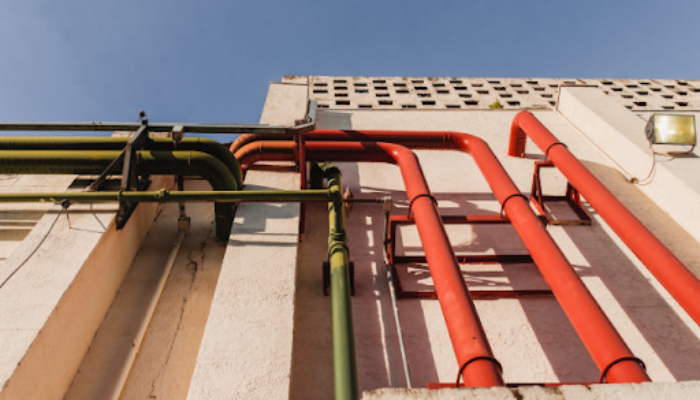
The job of a piping engineer is to design and plan safe and efficient piping systems. They are responsible for creating layouts, choosing pipe materials, determining pipe pressure and flow needs and working with several engineering teams.
For industrial projects, piping engineers make sure systems adhere to international standards and safety regulations. They design plant layouts, positioning of equipment, routing of pipes and accessibility for maintenance.
In addition, piping designers and engineers use specialized software to generate technical drawings and 3D models. That’s why today’s students are taking courses in piping engineering along with HVAC training, BIM training and mechanical design to boost their industry skills.
Technical knowledge, analytical thinking, software and practical knowledge of industrial systems are required.
Difference Between Piping Engineering and Piping Design
There is little difference between piping engineer and piping designer, especially for beginners.
Piping engineering emphasizes more on calculations, standards, system analysis, material selection and overall engineering decisions. Requires knowledge of pressure ratings, stress analysis, fluid mechanics and industrial codes.
Piping design is more about preparing pipe layouts, 2D drawings, 3D models and detailed design documentation. Designers collaborate with engineers to develop designs into practical drawings for use in construction.
A person often begins with a piping design course in Pune or Chennai to acquire the skill in drafting and software, and then progresses to higher positions in piping engineering.
Piping Engineering Career Skills:
Piping engineering is a skill-based profession which integrates piping and software knowledge. Emphasis should be placed on practical and design skills for those who enter this industry.
Mechanical systems, Industrial processes and Engineering drawings are an important understanding. Students will gain a competitive advantage in the workplace by having knowledge of AutoCAD, Revit MEP, Plant 3D, and E3D software training.
Communication skills are also necessary as piping engineers are involved in many engineering departments in large projects.
Now, many institutes providing piping engineering courses in Mumbai have started to emphasize on giving exposure to live projects and practical training on software to groom the students to be job ready.
The significance of Software Training in Piping Engineering
Design software and BIM technologies are essential in modern piping engineering. Manual drafting is slowly being superseded by intelligent systems for 3D modelling, bringing greater accuracy and co-ordination to projects.
Using software tools, engineers can visualize piping layouts, identify clashes, optimize space usage, and generate proper construction documentation.
The students aspiring to become piping designers in Chennai and Pune are acquiring advanced tools like:
- AutoCAD Plant 3D
- Revit MEP
- E3D Design Software
- Navisworks
- BIM Coordination Tools
Software specialists are very in-demand among engineering consultants, EPC and construction companies.
Career opportunities following a course of piping engineering
Pipes continue to gain relevance across various industries and are growing in demand. Graduates of a piping engineering program in the Mumbai area may find a variety of job prospects in the oil and gas industry, petrochemical plants, pharmaceutical companies, manufacturing companies, HVAC projects, and infrastructure projects.
Piping engineers are employed by many companies, in design offices, industrial plants, MEP projects, and EPC companies. Often, freshers start as piping designers, CAD engineers or as drafting professionals and then move into senior engineering and project management positions.
There are also opportunities internationally, particularly in the Gulf, where projects for industrial and infrastructural development are also continuing to increase.
The reasons for today’s students liking skill-based engineering courses
Engineering degrees tend to be very theoretical, whereas industries are looking for engineering skills and knowledge of software. This is what has prompted many students to go for industry oriented training programmes following their graduation.
Courses that focus on skill development like piping engineering, HVAC training, mechanical design and drafting courses offer practical experience relevant to industry needs.
These programmes enable students to appreciate real-life scenarios, project coordination, software applications, and industry practices. Therefore, the graduates are more job-ready and self-confident when they go into the jobs market.
Many of the students who have completed their mechanical engineering diploma courses in Mumbai also opt for special piping and MEP training courses to enhance employment prospects.
The importance of HVAC and MEP in Industrial Design.Industrial Design’s role in HVAC and MEP.
In commercial and industrial projects, piping engineering can be the same as HVAC and MEP systems. There is a need for integrated design solutions for modern buildings that combine mechanical, electrical, plumbing and piping systems.
That is why combined courses for HVAC Mumbai training, MEP Systems, Piping design, and BIM modeling are becoming popular at the various training institutes.
There is a need for professionals who are knowledgeable about the coordination between piping systems and building services in today’s building and infrastructure industry.
Students gain experience in various fields, thereby collaborating on complex projects related to hospitals, airports, malls, commercial towers and industrial plants.
How to Choose the Right Piping Engineering Course
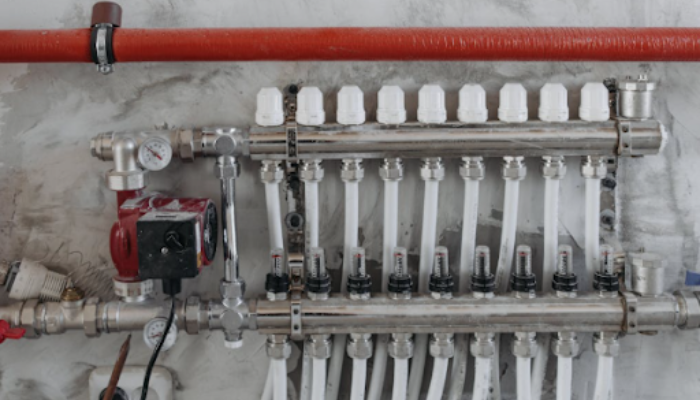
It is crucial to select the appropriate training institute for career success. Students should seek programmes that offer hands-on learning, exposure to software, industry relevant programme content and placement assistance.
The ideal piping engineering course in Mumbai should provide students with practical project experience, CAD drafting, BIM methods, piping regulations, and software for industrial projects.
Confidence and hands-on learning is achieved at the institutes that provide project-based learning, experienced trainers, hands-on practice.
In addition to considering placement assistance, industry connections, and software lab facilities, students should also explore other areas of interest before enrolling in a course.
The next step in Piping Engineering
The future of piping engineering is bright with the rise of industrialization, infrastructure expansion, and a growing demand for construction in the world.
Skilled piping engineers and designers are in demand in the oil and gas, renewable energy, pharmaceuticals, water treatment, smart city and manufacturing industries.
BIM, automation, and the growing influence of digital engineering are also driving a shift in the industry, prompting the need for professionals with in-depth software skills and the ability to coordinate.
Today’s students who are studying piping design course in Pune, Chennai, Mumbai have a bright future in piping design as it is a field that has great potential for long term growth and offers great prospects for jobs abroad.
Conclusion
Piping engineering is a one of the most applicable engineering branches of today, having a career-oriented outlook. This profession brings together technical knowledge, design expertise, software skills and industrial applications, and provides stability and growth.
A piping engineering course in Mumbai or a piping design course in Pune can help both the Mechanical engineers, Diploma holders or working professionals to create a good future in industrial engineering and plant designing.
As industries quickly embrace BIM processes, cutting-edge software tools, and intelligent infrastructure systems, there is a growing demand for skilled piping experts. Students will gain hands-on knowledge of engineering principles, design processes, and industry-standard software tools, equipping them to thrive in both the domestic and global job market.Through practical learning, students will be empowered to enter the workforce with a solid understanding of engineering concepts, design methodologies, and industry-standard software tools.


