
How HVAC Training Programs Build
Diagnostic Skills, System Understanding,
and Troubleshooting Abilities for Beginners
How HVAC Courses Teach Job Ready Skills
Many programs that teach heating and air conditioning classes do things in two parts. They teach you the ideas first. Then you try to use them later.The problem is that you might forget some things by the time you need them. This makes it tough for people who are just starting out to feel good about themselves when they are in a job interview or on their job.
Suvidya does things differently when it comes to HVAC training. They do not separate learning and doing. Instead, the HVAC course is made to help you learn skills one step at a time in order that you will use them when you are really working. This helps students learn what to do. Also when and why they need to do it.

How Suvidya Institute of Technology Teaches HVAC Skills in a Different Way
Suvidya’s HVAC course is designed to take people who are new to the field and turn them into technicians who are ready to work. The course covers heating, ventilation, air conditioning and refrigeration in a practical way. Here is how the course works:
- It starts with the basics. Safety practices and tools.
- Then it moves on to understanding HVAC systems, including the parts and how they work.
- Finally, it gets practical. Learning how to diagnose problems, service equipment and do maintenance.
This step-by-step approach is like learning on the job. You don't just learn about tools. You learn how to use them in real-life situations. For example, by just knowing what a multimeter is you learn how to use it to test parts, read values and find problems. The program is meant for people who are new to HVAC and do not have any experience. It helps them build confidence slowly and clearly without getting confused or lost. The HVAC course helps you learn HVAC skills. The Suvidya course teaches HVAC.
How Core Skills are Taught at Suvidya Institute of Technology

They start with safety because it is an important thing when you are working with HVAC. Students learn things like using personal protective equipment and being careful with electrical systems. They also learn about lockout and tagout procedures. How to work with refrigerants and tools in a responsible way. They teach you about tools at the time as safety because you need to know how to use them and what can go wrong. This helps you
get into habits that people who hire you will expect you to have from the very beginning. They want you to know about safety and tools so you can do your job well and stay safe. Suvidya teaches you core skills like safety and tools so you can be good at your job.
Understanding HVAC Systems
First, we make sure it’s safe to work with HVAC systems. Then students learn the basics. This includes:
- How heating and cooling systems work
- The main parts like compressors, condensers and evaporators
- The basics of airflow and temperature control
- How refrigeration cycles work
This part helps students understand HVAC Systems and HVAC problems
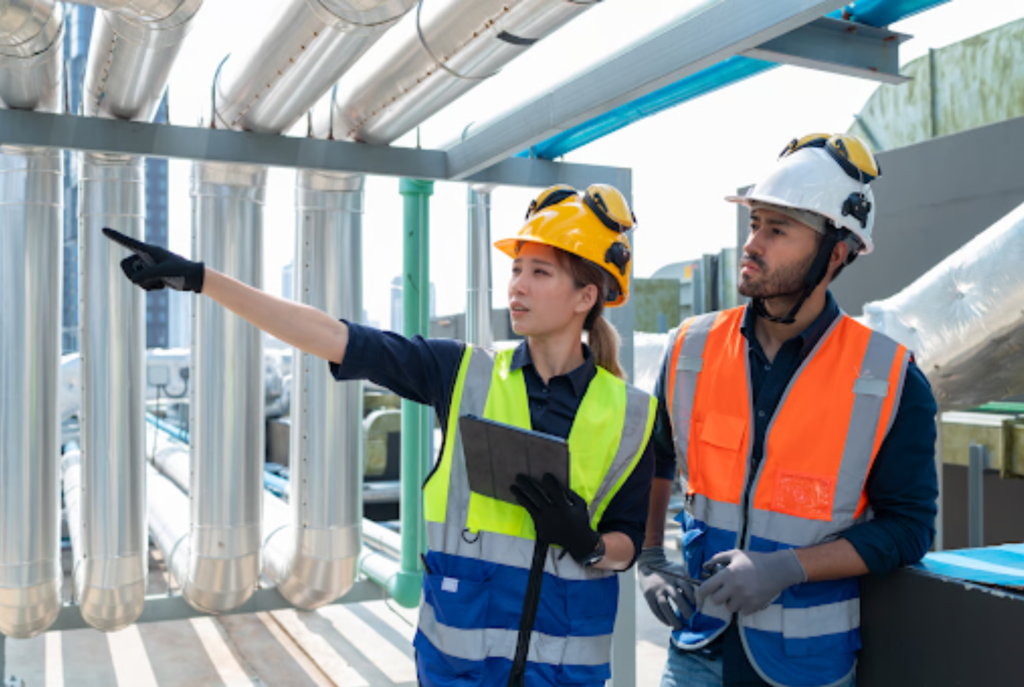
Once students get systems they learn to find and fix problems. This includes:
- Testing parts
- Finding faults in systems
- Understanding performance problems
- Using steps to troubleshoot
These skills are crucial because HVAC technicians fix problems every day.Being able to diagnose really matters on the job.
Practical Learning Approach
Suvidya is about making learning real. They show you how the things you learn in class can be used in your life. This way you do not just remember things you understand them. They do not try to teach you everything at all. Suvidya breaks down the lessons, so you learn things one step at a time. This helps you feel more confident about what you are learning. When you learn things like this it is easier to use them when you are working. Suvidya makes sure you can apply what you have learned in life situations.
Career-Focused Training
Suvidya does more than just teaching skills; it also gets students ready for actual jobs. The course teaches students things like: –
- What employers want from them
- How to be confident when they go for interviews
- How to behave at work
- How to get a job or an apprenticeship
Employers do not look for perfect people, they look for people who are reliable, careful and have basic knowledge. Suvidya helps students become this kind of person so they are ready to start working from the first day of their Career-Focused Training, with Suvidya. Suvidya makes sure students learn what they need to know to succeed in their Career-Focused Training.
Conclusion
HVAC skills are not built overnight—they require structured learning and consistent practice. Suvidya’s approach ensures that students learn in the right order, connect theory with real-world tasks, and build confidence at every stage. By focusing on safety, system understanding, and hands-on thinking, Suvidya prepares beginners to step into the HVAC industry with clarity and job-ready skills.
FAQ


