
How to Build a Successful Career in Engineering Design & Drafting
Enquiry Now
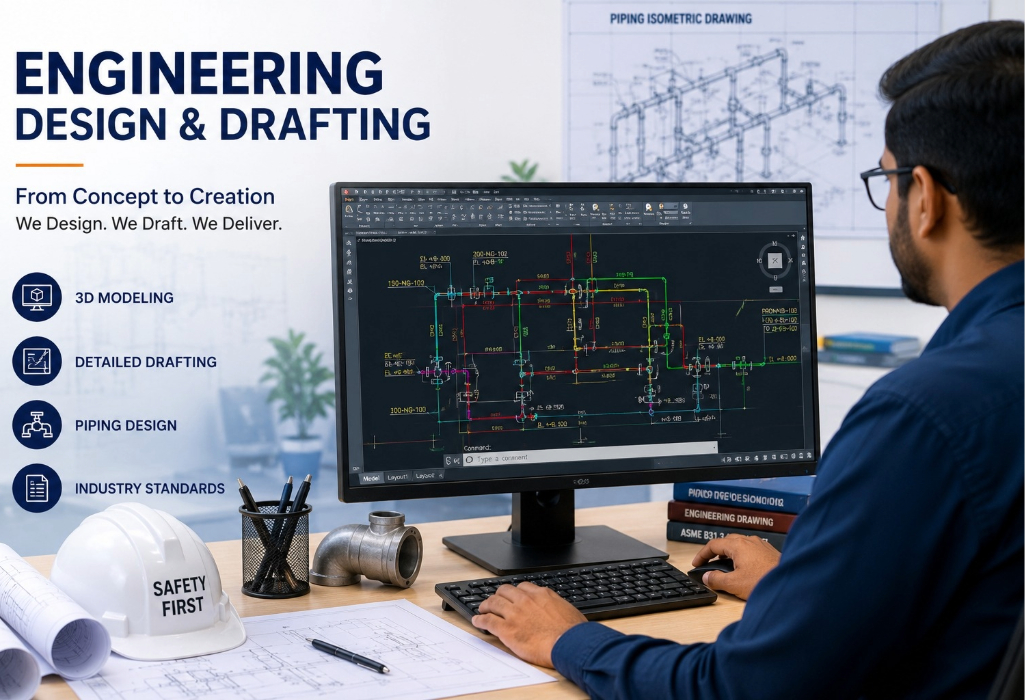
Engineering projects kind of start way before manufacturing, construction, or production even thinks about showing up. Like, every machine product, structure, or component begins as some idea that has to get pushed into a thorough design. And thats where Engineering Design & Drafting folks really matter, because they are the people making technical drawings, design models, plus all that engineering documentation that kinda steers the whole development process.
And yeah, as industries keep jumping into advanced technologies and digital design tools, the need for drafting professionals keeps climbing, fast. Companies in manufacturing, automotive, construction, aerospace, and industrial fields are searching for trained individuals who can draft precise technical drawings and keep engineering teams supported
So if you are into a technical path that blends creativity, tight accuracy, and modern software know how, then an Engineering Design & Drafting course can set you up with a solid base.
What is Engineering Design & Drafting?
Engineering Design & Drafting is basically about making detailed technical drawings, plus digital models that explain engineering ideas and exact specifications. These drawings carry lots of important details, like dimensions , materials, manufacturing needs, tolerances, and assembly guidance instructions
Engineers, manufacturers, and production teams depend on those designs so products can be made correctly and efficiently. Without decent drafting and design records, projects can run into delays errors, and higher costs too
Nowadays, drafting professionals use advanced Computer-Aided Design, also called CAD, software to produce very accurate drawings and models, which boosts productivity and helps reduce design mistakes
Why Engineering Design & Drafting Is a Growing Career Field
Industries are more digital each year. From product development and machinery design to industrial automation and manufacturing, accurate design documentation feels more necessary than ever
Companies need people who can handle engineering thinking and design software together. Skilled drafting specialists sort of connect the dots between engineering ideas and real-world output
Plus with infrastructure growth, manufacturing expansion, and ongoing tech innovation, the need for qualified Engineering Design & Drafting professionals should stay strong for a while
Which honestly makes this a good career lane for students who invest in the right technical skills early
Steps to Start Your Career in Engineering Design & Drafting
Getting started well comes down to gaining the correct knowledge and real practical training. A clear learning plan helps students understand what employers expect, and also builds confidence
First, learn engineering drawing basics and drafting standards. Knowing how technical drawings are made, and how they’re interpreted, gives you the foundation for the profession
Students should also build software experience. Most industries lean on CAD based tools for creating engineering drawings and 3D models, so learning these technologies really improves chances of getting hired
And don’t skip practical projects, hands on tasks help students understand real design problems that show up in professional settings, not just in theory
Importance of CAD Software Skills
Computer-Aided Design software has changed engineering a lot. Now, many organizations expect design professionals to be comfortable with digital drafting platforms that raise efficiency and improve accuracy
Engineering Design & Drafting programs usually introduce students to software and digital workflows that match industry needs. These tools make it possible to create detailed models, adjust designs quickly, and collaborate more smoothly with engineering teams
In many cases, software skill is one of the most valuable hiring signals employers look for when recruiting drafting and design professionals
People who develop strong CAD abilities often find they have better career options and more flexibility later on
Essential Skills Every Drafting Professional Should Develop
Doing well in Engineering Design & Drafting takes more than just knowing the software. Professionals also need a set of supporting skills that help them work effectively on the job
Attention to detail is huge, because even small mistakes in technical drawings can change how production turns out. Strong analytical thinking helps drafting professionals spot possible design problems and then suggest workable solutions
Communication skills also matter, since drafting professionals regularly team up with engineers, designers, project leaders, plus manufacturing teams
And time management plus project coordination can seriously affect career growth and day to day workplace success
Career Opportunities After Completing an Engineering Design & Drafting Course
After completing an Engineering Design & Drafting course, professionals can work across a wide range of industries. Their abilities are useful anywhere products, systems, or structures need to be planned and properly documented
Graduates may find roles in manufacturing firms, automotive companies, construction organizations, industrial design teams, engineering consultancies, and infrastructure projects
Some people start in entry level design and drafting positions, then later move into senior technical roles, project management paths, or more specialized engineering areas
And because drafting skills transfer so well, it often gives flexibility and access to multiple sectors across the engineering world
Benefits of Professional Training
Professional training helps students gain practical exposure to industry tools, workflows, and expectations. While theoretical knowledge is important, hands-on experience often makes the biggest difference during job interviews and workplace transitions.
Structured training programs provide opportunities to work on real-world projects and develop portfolios that demonstrate technical abilities. Employers frequently value candidates who can showcase practical skills alongside academic qualifications.
Professional guidance from experienced instructors also helps students understand industry standards and develop confidence in their technical capabilities.
Future Scope of Engineering Design & Drafting
The future of Engineering Design & Drafting is closely linked to technological innovation. Industries are increasingly adopting automation, digital manufacturing, 3D modeling, simulation technologies, and smart production systems.
As these technologies become more common, professionals with strong design and drafting expertise will continue to play an important role in product development and engineering processes.
Companies are expected to invest further in digital engineering solutions, creating additional demand for trained professionals who can work with modern design technologies.
Students entering this field today are positioning themselves for long-term career opportunities in an evolving and technology-driven industry.
Why Choose an Engineering Design & Drafting Course?
An Engineering Design & Drafting course provides a combination of technical knowledge, practical training, and industry-focused skills that employers actively seek.
The course helps students understand engineering concepts while building expertise in modern design software and drafting methodologies. This combination prepares graduates to contribute effectively in professional environments from the beginning of their careers.
Whether your goal is to work in manufacturing, automotive engineering, construction, industrial design, or product development, drafting skills provide a strong foundation for career growth.
Conclusion
Engineering Design & Drafting is one of the most valuable technical skill sets in today’s industrial landscape. As organizations continue embracing digital design technologies, the demand for skilled drafting professionals remains strong across multiple sectors.
A quality Engineering Design & Drafting course equips students with the knowledge, software expertise, and practical experience needed to succeed in modern engineering environments. By developing these skills, aspiring professionals can unlock rewarding career opportunities and build a successful future in the engineering industry.
Investing in professional training today can help create a pathway toward long-term growth, technical excellence, and career success.


