Structural Engineering

This Program will help the student to have in-depth understanding of structural behavior. This understanding will form a basis for analysis and design of building structures. It will encourage using information Technology in the design process.
  • Competent Trainer with more than 25+ years’ experience from Engineering Field
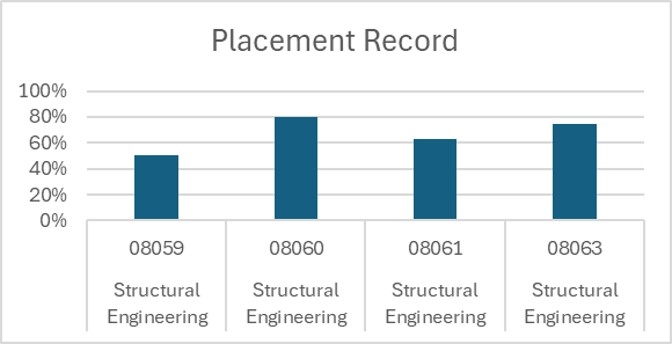
  • 100% Placement assistance
  • Exposure to working culture of Engineering, Procurement and Construction Companies.
  • Through Knowledge provided to understand the project activities.
  • Introduction of interactive methods within the departments.
  • Understand of Deliverables to function smoothly and quality output.
  • Acquire the knowledge of Advance technologies used currently.
  • Enrich the knowledge of International codes and standards for perfection in design.
  • Enhance the knowledge of Current engineering practices used.
  • Training in Personal Development to enhance the communication skills.

Structural engineering is a specialized field that deals with the design, analysis, and construction of structures such as buildings, bridges, dams, towers, and other infrastructure projects. Structural engineering provides several benefits, including ensuring structural safety, optimizing designs for efficiency and cost-effectiveness, utilizing advanced analysis and simulation techniques, delivering innovative design solutions, incorporating sustainability and environmental considerations, facilitating retrofitting and rehabilitation of structures, fostering collaboration among project stakeholders, and offering professional and career opportunities. These benefits contribute to the development of safe, resilient, and sustainable structures that meet the needs of society.

Fresh/ Experienced - Diploma/ Degree in Civil/ Structural Engineering.

MODULE 1 – Introduction to Industry & Industrial Systems
  • Overview of industrial sectors: Refinery, Petrochemical, Chemical, Organic Pharmaceutical plants
  • Basic structural requirements of industrial plants and projects
  • Role and responsibilities of Civil Engineers in industrial projects
  • Project lifecycle: Concept to commissioning
  • Inputs from various departments (Process, Mechanical, Piping, Electrical, Instrumentation, HVAC, etc.)
  • Engineering deliverables – Inputs & Outputs coordination
MODULE 2 – Engineering Fundamentals & Design Concepts
  • Concept of structural analysis
  • Types of loads: Dead load, Live load, Wind load, Seismic load, Equipment loads
  • Loading combinations and design philosophy
  • Introduction to analysis methods
  • Overview of limit state design concept
MODULE 3 – Concrete Structure Design
  • Fundamentals of RCC design
  • Design of isolated footings & combined footings
  • Pedestals and foundations
  • Slabs, beams and columns
  • Foundation design principles for industrial structures
  • Relevant codes and standards for RCC design
MODULE 4 – Steel Structure Design
  • Properties and selection of structural steel sections
  • Design philosophy for steel structures
  • Connections (Bolted & Welded)
  • Design of beams, columns, bracings
  • Industrial steel framing systems
  • Relevant codes and standards for steel design
MODULE 5 – Detailed Design of Industrial Structures
1. Pipe Racks & Sleepers
  • Loading considerations
  • Structural configuration
  • Analysis & design approach
2. Equipment Foundations
  • Static equipment foundation design
  • Rotating equipment foundation (Block type & Frame type)
  • Vibration considerations
3. Equipment Supporting Structures
  • Technological structures
  • Platforms & access structures
4. Plant Buildings
  • Compressor house
  • Control building
  • Substation building
  • Pump house
5. Non-Plant Buildings
  • Administration building
  • Warehouse
  • Workshop
MODULE 6 – General Civil Works
  • Industrial roads and pavements
  • Drainage systems
  • Contaminated rainwater sewer
  • Oily water sewer
  • Paving systems
  • Dyke walls
  • Tank farm area development
  • Boundary walls, fencing & gates
  • Local supports and platforms
MODULE 7 – Special Industrial Facilities
  • Cooling tower foundations & structures
  • Flare stack foundations
  • Chimney structural design considerations
MODULE 8 – Standards, Codes & Engineering Practices
  • Relevant Indian & International Standards
  • Importance and application of design codes
  • Quality control & safety considerations
  • Engineering best practices
MODULE 9 – Computer Aided Analysis & Design
  • Introduction to computer-based structural analysis
  • Concept of modeling and load application
  • Introduction to STAAD software
  • Interpretation of analysis results
  • Design validation & reporting
MODULE 10 – Documentation & Project Engineering
  • Study of documents from other departments used in plant design
  • Preparation of Bill of Materials (BOM) at various stages
  • Material take-off concepts
  • Drawing preparation & coordination
  • To understand the structural requirements and civil engineering role in industrial plants such as refineries, petrochemical, chemical and pharmaceutical projects.
  • To develop competency in structural analysis and loading calculations for industrial facilities.
  • To gain practical knowledge in design of RCC and steel structures including foundations, pipe racks, equipment supports and plant buildings.
  • To understand the application of relevant national and international codes and standards in industrial structural design.
  • To learn interdisciplinary coordination and interpretation of engineering documents from other departments for effective plant design.
  • To develop skills in computer-aided structural analysis (STAAD concept), bill of materials preparation, and project-oriented documentation practices.

Schedule Your Enquiry

Let's discuss your career goals and help you understand the right path in EPC & Oil & Gas. Get guidance on:

  • SIT Courses & Training Programs
  • Career opportunities in EPC & Oil & Gas
  • Suitable engineering disciplines & career paths
  • Industry skills & software
  • Your next career step

Choose a convenient date & time to speak with us.

Schedule Now →

Suvidya Institute of Technology

Building EPC Engineering Careers Since 2002

Structural Engineering

Upcoming Batches

Batch No.CategoryTimingsPlanned Start DateLast Date of AdmissionDuration
08068 Weekend Batches Sundays 8.00 am to 5.30 pm 22-Nov-2026 08-Nov-2026 3 Months

FAQ's

What is structural engineering?
Structural engineering is a branch of civil engineering that focuses on the design, analysis, and construction of structures such as buildings, bridges, dams, and towers. Structural engineers ensure the safety, stability, and functionality of these structures.
Are there good job prospects for structural engineering graduates?
Yes, structural engineering graduates typically have good job prospects. The demand for skilled structural engineers is high, as there is a continuous need for professionals who can design, analyze, and oversee the construction of various structures.
What types of companies hire structural engineers?
Structural engineers are employed by a wide range of companies, including consulting firms, architectural firms, construction companies, government agencies, research institutions, and infrastructure development companies. They may also work in industries such as oil and gas, power generation, or transportation.
What job roles are available in structural engineering placements?
Structural engineering placements can lead to job roles such as structural engineer, design engineer, project engineer, construction manager, or site engineer. These roles involve tasks such as structural analysis, design, project coordination, construction supervision, and quality assurance.
Are there any placement assistance services provided by SIT?
We have a dedicated Placement cell which continuously seeks for employment opportunities and arranges On- Campus as well as Off-Campus recruitment activities. The institute assists students to enter in their respective industries by providing 100% Placement assistance. The Placement Cell conducts Mock Interviews of students for their preparation for final interviews in the industry.

Testimonials