
Why Piping Engineering Has Become a Top Career Choice for Engineering Graduates
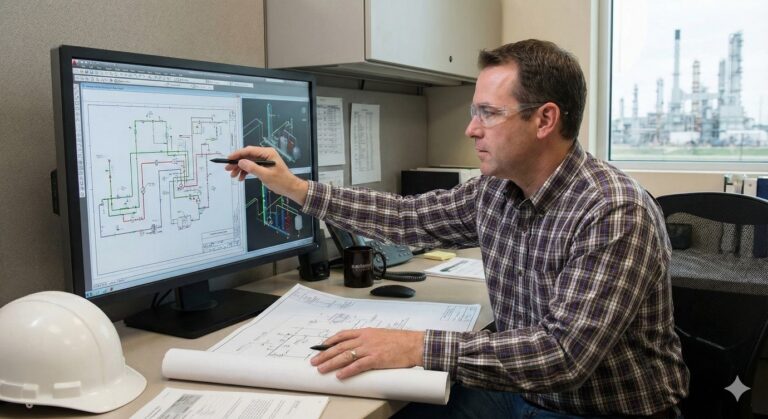
Engineering students today are constantly searching for one specialization
that can turn academic knowledge into a high-paying, globally valued career. Among the many options
available, the piping engineering course has emerged as one of the most trusted and effective paths.
What makes it so popular?
Piping engineering provides a strong technical foundation, real industry exposure,
and job-ready skills. With this training, students become employable in rapidly growing sectors such as oil
and gas, petrochemicals, energy, EPC companies, and infrastructure.The reason is simple:No industry
can grow unless its pipelines, systems, and plants operate safely and efficiently.Piping
engineers are the professionals who make sure this happens.This field perfectly blends design, safety,
problem-solving, creativity, and precise engineering. As a result, piping engineers remain in demand
regardless of economic ups and downs. That’s why graduates from mechanical engineering see this course as a
smart step toward a specialized and successful future.
Why Piping Engineering Matters Today
In today’s industries, large plants run through networks of pipes. These
pipes carry water, steam, oil,gas,chemicals, and many other materials. They spread across big
refineries, power plants, factories, and chemical plants. Designing these systems is not just drawing
lines on paper. It requires knowledge of:
- Engineering rules and standards
- How different materials behave
- How much pressure or stress the pipes can handle
- How to plan the layout
- How to keep everything safe
A piping engineering course teaches all these things. It bridges the
gap between what students learn in college and what happens in real plants. Students learn:
- How piping systems are designed
- How EPC companies work
- What documents and drawings are used
- How real project work happens
The best part is that almost every industrial project needs piping
design—whether building a new plant or upgrading an old one. As industries continue to
grow, companies constantly seek skilled and well-trained piping engineers.
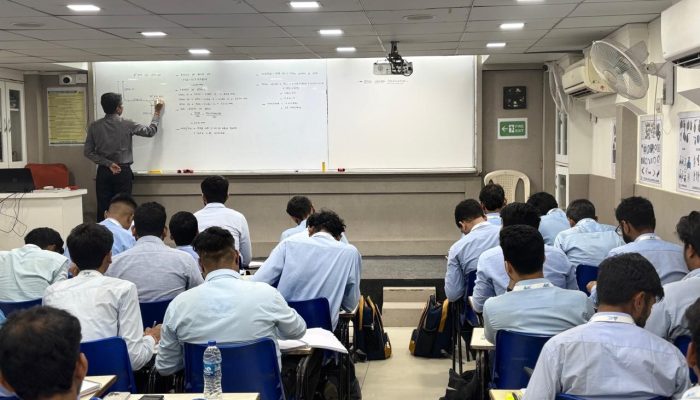
Career Opportunities After Completing Piping Engineering Training
Most industries depend on safe and well-planned piping systems. Because of this,
piping engineering opens up many career opportunities in design, analysis, quality control, and project
execution. After completing the course, you can work in:
- EPC companies (Engineering, Procurement, Construction)
- Oil and gas refineries
- Petrochemical plants
- Energy and power plants
- Infrastructure and water treatment companies
- Manufacturing industries
- Consulting and design firms
Common job roles include:
- Piping Design Engineer
- Layout Engineer
- Stress Engineer (with extra specialization)
- Material Engineer
- QA/QC Engineer
- Piping Supervisor at site
Since piping design is needed everywhere in the world, many international
opportunities are also available. Countries like the Middle East, Europe, and Southeast Asia regularly hire
skilled piping engineers for large-scale projects. The career growth in this field is very good. Many
freshers start as trainees or junior designers and move up to roles like senior engineer, lead engineer,
project manager, and even department head. With experience and practical skills, professionals can grow
steadily and earn well.
How Long Does the Training Usually Last?
The piping engineering course is popular because the duration is short, practical, and
easy to manage.
- Full-time batches usually take 3 to 4 months.
- Weekend batches take longer because classes are only on weekends, so the schedule is more relaxed.
The duration is perfect because students get enough time to learn the basics,
practice drawings, use software tools, and work on projects—without feeling rushed or stressed. Full-time
batches follow a daily routine, which helps students get used to the discipline and work environment of an
engineering office. Weekend batches are ideal for working professionals who want to upgrade
their skills at a comfortable pace. Most institutes offer multiple batches throughout the year. This gives
students the flexibility to join whenever it suits their college or work schedule. Final-year students,
fresh graduates, and working professionals all find it easy to fit this training into their routine. Some
institutes also offer extra practice hours, revision classes,
ordoubt-solving sessions to help students strengthen their knowledge before attending job
interviews.
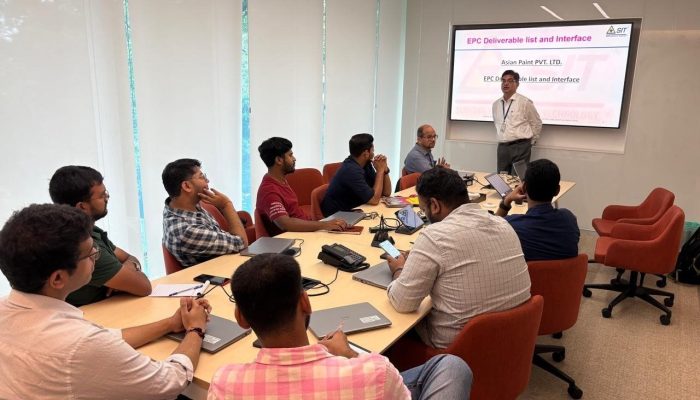
Software Exposure in Piping Engineering
Modern industries use digital design tools to make work faster and more accurate.
In a piping engineering course, students are usually trained in popular software such as:
- AutoCAD – for 2D drawings
- PDMS / E3D – for 3D plant modelling
- SP3D – another widely used 3D modelling software
- Caesar II – for pipe stress analysis (if included in the course)
Learning these tools gives students a strong advantage. Companies prefer hiring
candidates who already know how to use these software platforms because they can start contributing from day
one. These tools help students understand:
- How real industrial plants are designed digitally
- How pipelines connect to equipment and structures
- How to spot problems or clashes before construction begins
AutoCAD builds a good drafting base, while PDMS, E3D, and
SP3D teach students how large EPC companies create 3D models of entire plants. Some courses
also include Caesar II, where students learn about pipe flexibility, thermal expansion,
load cases, and stress checks—important topics for technical roles. By practicing these tools regularly,
students gain the confidence to read, understand, and create engineering drawings and documents that match
industry standards.
Placement Support and Industry Links
Good training institutes maintain strong relationships with companies that
regularly hire piping engineers. Since industries need people who understand both design and real project
work, EPC companies and other organizations often look for trained piping professionals. Most institutes
offer placement support that includes:
- Mock interviews
- Resume building help
- Interaction with hiring partners
- Soft skills training
- Guidance from industry experts
All this support helps students become more confident and increases their chances
of getting good jobs quickly. Institutes with strong industry connections receive frequent job openings
because companies trust the quality of their training. Mock interviews help students practice both technical
and HR questions. Resume guidance ensures students highlight their software skills and project experience
clearly. Soft skills sessions teach them how to communicate professionally—something very important in
engineering teams. Many institutes continue to support students even after the course is completed. They
share job updates, connect alumni to new openings, and guide them as they grow in their careers. Strong
industry links are one of the biggest advantages for students entering a competitive field like piping
engineering.
Final Thoughts
A piping engineering course is more than just technical training—it is a career
booster. It helps engineering graduates become skilled professionals who are ready for many industries
around the world. The course offers practical learning, software training, knowledge of international
standards, and strong placement support. Because of this, students get a clear path to a stable and
successful future. By choosing this field, you enter a world where precision, creativity, and engineering
logic come together to build the systems that keep industries running and support modern infrastructure.


